

The Cost of Protection: How Sunscreen Threatens Coral Reefs
Coral reefs, often called the "rainforests of the sea," cover less than 1% of the ocean floor but support about 25% of all marine life. They face numerous threats, including climate change, ocean acidification, and pollution. Certain sunscreen chemicals have emerged as a significant additional stressor.
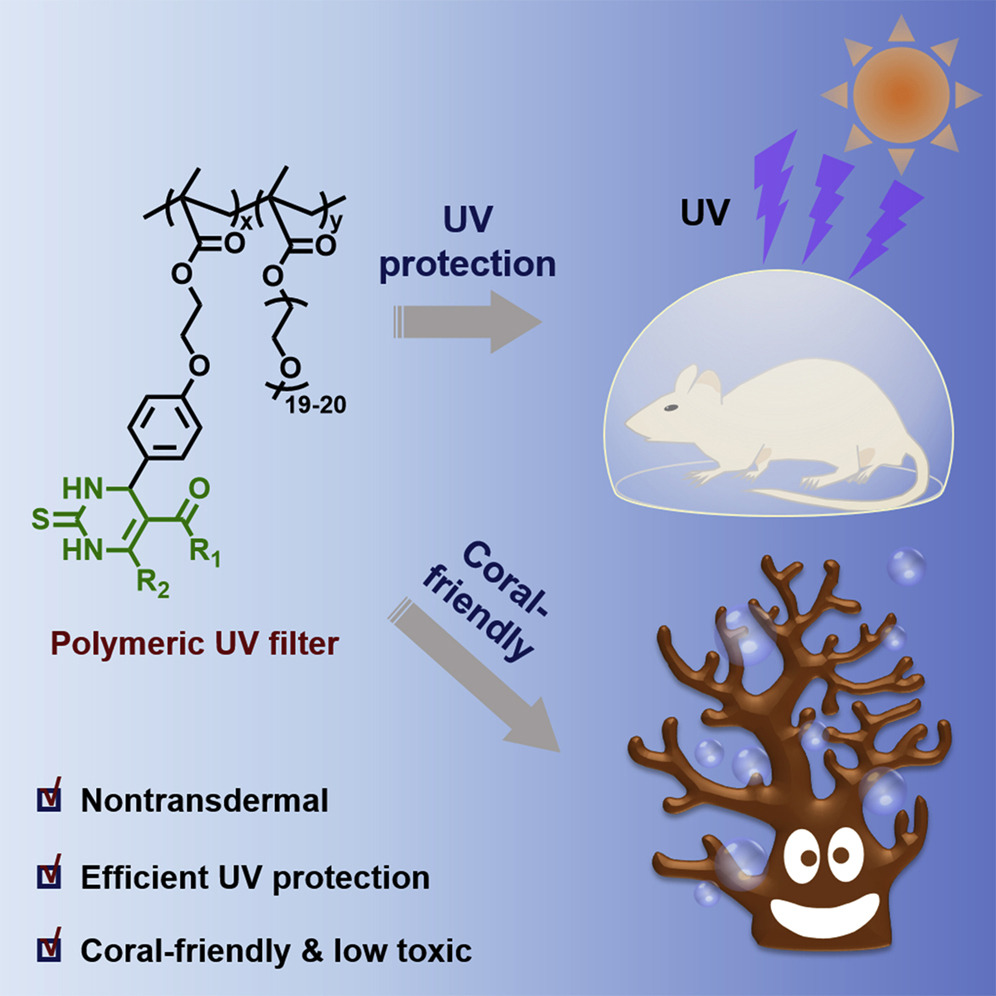
Studies indicate that two common chemical UV filters—oxybenzone and octinoxate—are primary concerns. Even at extremely low concentrations, they can:
-
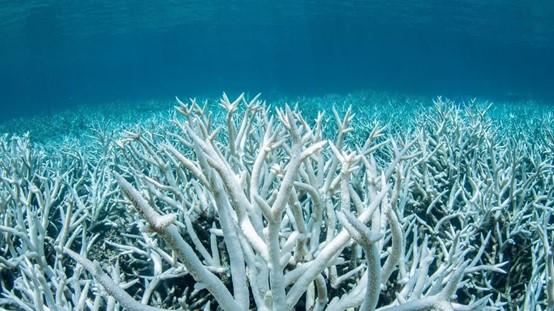
Cause Coral Bleaching: Damage the symbiotic algae that live within coral tissues, providing them with food and color, leading to bleaching and starvation.
-
Disrupt Coral Reproduction and Growth: Act as endocrine disruptors, deforming coral larvae (planulae), trapping them in their own skeletons, and reducing their resilience.
-
Increase Viral Infections: Make corals more susceptible to fatal diseases.
It's estimated that up to 14,000 tons of sunscreen end up in coral reef areas annually, creating a continuous exposure risk in popular tourist destinations.
Industry "Greening": Reformulation, Innovation, and Greenwashing
The industry's response has been a mix of genuine innovation and opportunistic marketing:
-
Reformulation: Major brands and independents alike are rapidly phasing out the banned chemicals. The focus has shifted to using "non-nano" mineral filters—zinc oxide and titanium dioxide. These particles sit on top of the skin, physically blocking UV rays, and are generally considered safer for marine life when not made ultra-tiny (non-nano).
-
The "Reef-Safe" / "Reef-Friendly" Boom: This label has become a major marketing claim. However, it is largely unregulated. A product labeled "reef-safe" may simply lack oxybenzone and octinoxate but could contain other chemicals with unknown or potentially harmful environmental impacts. Consumers must look beyond the marketing tag.
-
Challenges & Greenwashing: Creating high-SPF, cosmetically elegant (no heavy white cast) mineral sunscreens is technically challenging and costly. Some brands may engage in "greenwashing," using the label while their formulas or overall environmental footprint remain questionable. Transparency about full ingredient lists and third-party certifications is becoming crucial.
What Can Conscious Consumers Do?
As the industry evolves, informed choices are key:
-
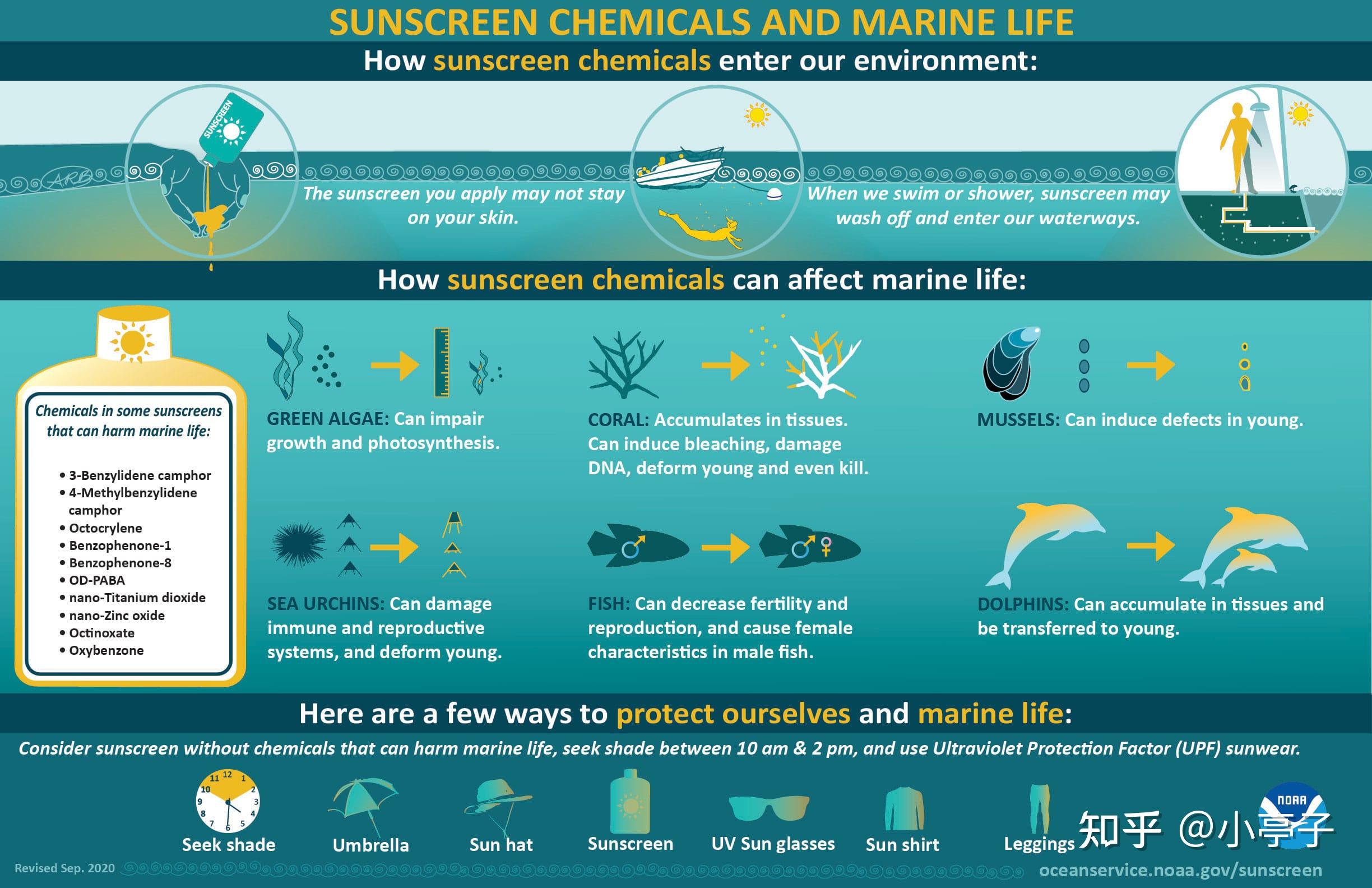
Read the "Active Ingredients" Label: Look for mineral-based sunscreens with non-nano zinc oxide and/or titanium dioxide as the sole active ingredients. Avoid oxybenzone, octinoxate, and octocrylene if possible.
-
Scrutinize the "Reef-Safe" Claim: Check the full ingredient list. Look for certifications from legitimate organizations like the Haereticus Environmental Laboratory (which publishes a "Protect Land + Sea" list).
-
Embrace "Sun Protection" Beyond Bottles: Remember the full suite of protection: seek shade, wear UPF-rated sun-protective clothing, wide-brimmed hats, and sunglasses. Reducing sunscreen dependency for large body areas is the most reef-friendly choice.
-
Support Transparent Brands: Choose companies that disclose their full ingredient lists, explain their environmental stance, and use recyclable packaging.